Nutritional Considerations for Men
An educational overview of the vitamins, minerals and dietary principles most frequently discussed in the context of men's general nutrition and daily dietary balance.
Explore Nutritional InsightsWhy Nutritional Context Matters
General dietary science recognises that nutritional requirements and patterns vary across different population groups. The content on this page presents an educational overview of the nutrients most commonly discussed in this context — explained purely in terms of their general biological roles and dietary sources.
Dietary Patterns Over Time
Nutritional science increasingly emphasises the importance of consistent dietary patterns across the long term, rather than focusing exclusively on individual nutrients or isolated food choices.
Food Sources as the Foundation
Most nutritional frameworks describe obtaining vitamins and minerals through whole dietary sources as the most broadly recommended approach, with varied, minimally processed foods forming the basis of nutritional planning.
Individual Variation
Nutritional needs are influenced by age, body composition, activity level, lifestyle and individual physiology. General educational descriptions apply broadly and do not account for personal circumstances.
Key Vitamins in Men's General Nutrition
Several vitamins are frequently highlighted in educational discussions centred on men's dietary patterns. Below is a factual overview of those most commonly referenced, along with their primary dietary sources.
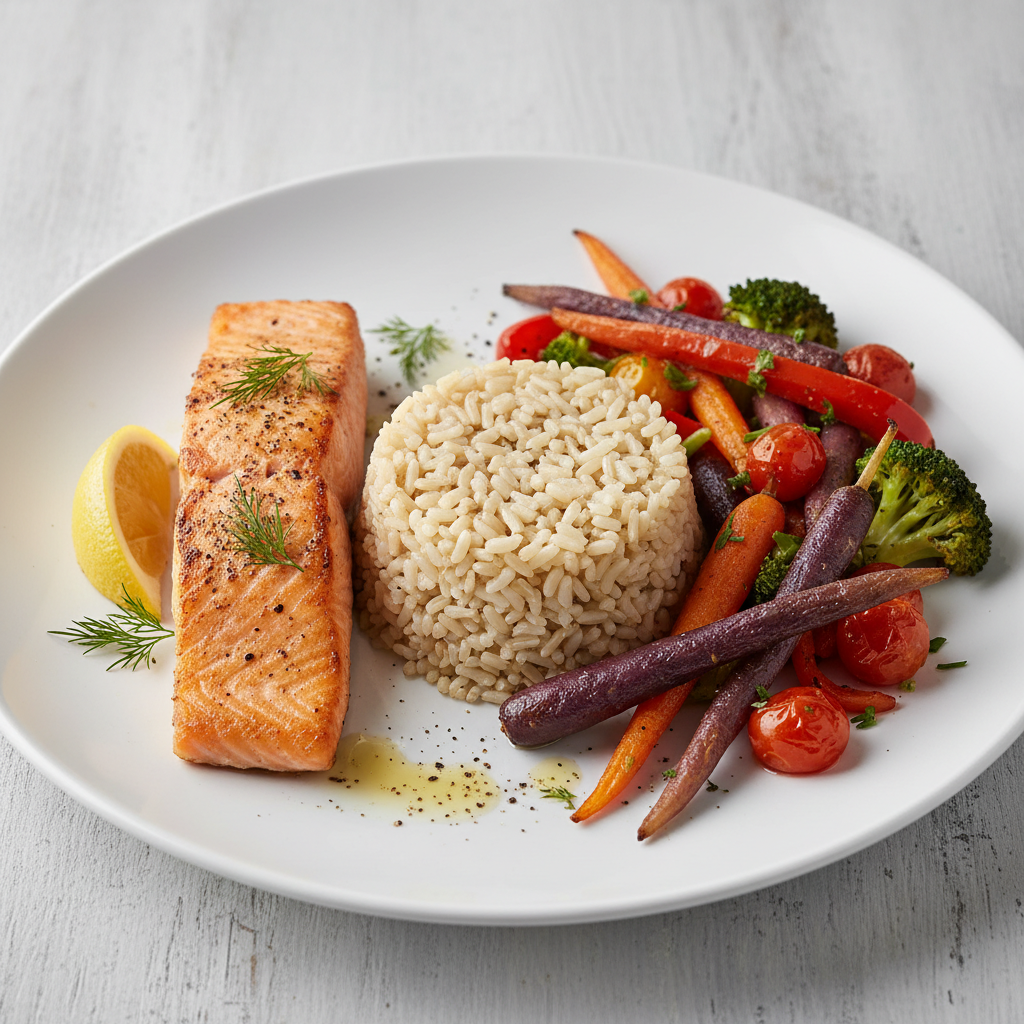
- Vitamin D — A fat-soluble vitamin produced by the body in response to sunlight. Dietary sources include oily fish, egg yolks and fortified foods. Participates in calcium regulation and various biological processes.
- Vitamin B12 — Primarily found in animal-derived foods such as meat, fish, dairy and eggs. Plays a role in red blood cell formation and neurological function. Often noted in plant-based dietary discussions.
- Vitamin C — A water-soluble antioxidant found abundantly in citrus fruits, kiwi, bell peppers and broccoli. Involved in collagen synthesis and immune function.
- Vitamin B6 — Found in poultry, fish, potatoes, bananas and fortified cereals. Participates in amino acid metabolism and neurotransmitter synthesis.
- Vitamin K — Present in green leafy vegetables such as kale, spinach and broccoli. Involved in blood coagulation processes and bone protein function.
Minerals Most Discussed in Male Nutrition
Minerals are inorganic micronutrients essential for structural, enzymatic and regulatory roles throughout the body. The following are among the minerals most regularly discussed in educational resources on men's general dietary patterns.
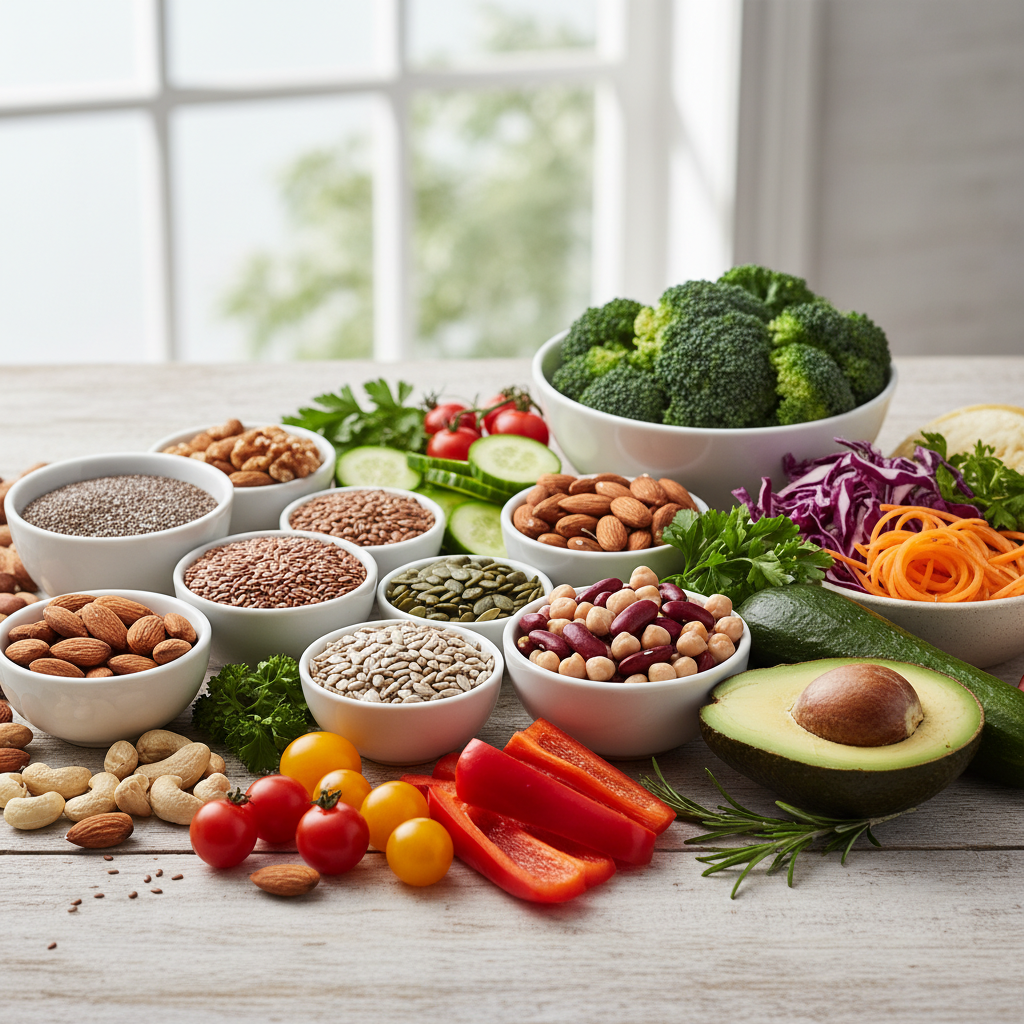
- Zinc — Found in shellfish, red meat, legumes, nuts and seeds. Serves as a cofactor in numerous enzymatic reactions and is noted in discussions on immune function and cell division.
- Magnesium — Present in dark leafy greens, legumes, whole grains, nuts and seeds. Participates in energy metabolism, protein synthesis and electrolyte balance.
- Iron — Found in red meat, legumes, fortified cereals and leafy greens. Central to the production of haemoglobin, the protein in red blood cells that transports oxygen.
- Selenium — Available in Brazil nuts, fish, eggs and whole grains. Functions as an antioxidant mineral and supports thyroid enzyme function.
- Calcium — Found in dairy products, fortified plant milks, leafy greens and small oily fish with edible bones. Associated with bone and dental structure and muscle function.
Protein and Healthy Fats in Dietary Context
Two macronutrient categories — protein and fat — receive particular attention in educational literature on men's dietary patterns. Below is a factual overview of each.
Dietary Protein
Protein provides amino acids required for building and maintaining body tissues, synthesising enzymes and supporting immune proteins. Complete protein sources commonly discussed in the context of male dietary patterns include eggs, poultry, fish, lean red meat and dairy. Plant-based complete sources include soy and quinoa, while complementary combinations of legumes and whole grains can provide a full amino acid profile across a meal or day.
- Eggs: complete protein with all essential amino acids
- Oily fish: protein combined with omega-3 fatty acids
- Legumes: protein, fibre and complex carbohydrates combined
- Dairy: protein alongside calcium and B vitamins
Healthy Fats
Not all dietary fats are described in the same educational terms. Monounsaturated and polyunsaturated fats are often highlighted favourably in nutritional literature, while high intakes of trans fats and certain saturated fats are frequently noted as areas of dietary consideration. Omega-3 fatty acids, a category of polyunsaturated fat, are particularly referenced in discussions on men's general dietary patterns.
- Olive oil: primary source of monounsaturated fat
- Fatty fish: rich in omega-3 fatty acids (EPA and DHA)
- Walnuts and flaxseed: plant-based ALA omega-3 sources
- Avocado: monounsaturated fat and fibre combined
The Role of Dietary Fibre
Dietary fibre is among the nutritional components most consistently mentioned across public health guidelines worldwide.
Soluble Fibre
Soluble fibre dissolves in water to form a gel-like substance in the digestive tract. It is found in oats, barley, legumes (lentils, chickpeas, beans), apples and citrus fruits. It contributes to a gradual rate of nutrient absorption and is associated with digestive regularity.
Insoluble Fibre
Insoluble fibre does not dissolve in water and primarily adds bulk to digestive matter, supporting the movement of material through the intestines. It is found in whole wheat, wheat bran, nuts, seeds and the skins of many vegetables and fruits.
Gut Microbiome Context
A growing body of nutritional research discusses the relationship between dietary fibre intake and the gut microbiome — the community of microorganisms residing in the digestive tract. Fibre-rich plant foods are frequently described as providing substrate for beneficial gut bacteria.
Practical Food Sources
Foods naturally high in dietary fibre include all vegetables and fruits (particularly when skins are consumed), legumes such as lentils and chickpeas, whole grains such as oats and barley, as well as nuts and seeds. Most dietary guidelines recommend prioritising whole, minimally processed sources of fibre over refined alternatives.
Nutrition and Physical Activity
Many nutritional frameworks discuss diet in connection with physical activity, not because the two are inseparable, but because they are often considered together in public health and wellness education. The following points describe how nutrition and activity are broadly discussed in educational contexts.
- Carbohydrates are widely described as a primary source of energy for physical activity, with complex carbohydrates from whole grains, legumes and vegetables noted as particularly relevant.
- Protein intake is discussed in the context of supporting the maintenance and repair of body tissues, particularly following physical exertion.
- Adequate hydration is consistently emphasised in relation to physical activity, as fluid requirements are generally understood to increase with exertion.
- Micronutrients including iron, magnesium and B vitamins are frequently mentioned in discussions on energy metabolism and muscle function.
- Recovery-oriented dietary patterns often emphasise the inclusion of anti-inflammatory food sources such as oily fish, berries and leafy greens.

Overview: Nutrients Frequently Referenced in Male Nutrition Education
| Nutrient | Category | Primary Dietary Sources | General Biological Role |
|---|---|---|---|
| Vitamin D | Fat-soluble vitamin | Oily fish, egg yolks, fortified foods, sunlight | Calcium regulation, bone structure support |
| Zinc | Trace mineral | Shellfish, red meat, legumes, pumpkin seeds | Enzymatic reactions, cell division, immune function |
| Magnesium | Macro mineral | Dark leafy greens, nuts, whole grains, legumes | Energy metabolism, muscle function, protein synthesis |
| Omega-3 | Essential fatty acids | Fatty fish, flaxseed, chia seeds, walnuts | Cell membrane structure, anti-inflammatory processes |
| Vitamin B Complex | Water-soluble vitamins | Whole grains, legumes, eggs, meat, dairy | Energy metabolism cofactors, neurological function |
| Dietary Fibre | Complex carbohydrate | Vegetables, fruits, whole grains, legumes | Digestive regularity, microbiome support |
| Vitamin C | Water-soluble vitamin | Citrus, kiwi, bell peppers, broccoli | Antioxidant function, collagen synthesis |
| Iron | Trace mineral | Red meat, legumes, fortified cereals, leafy greens | Haemoglobin production, oxygen transport |
Scope and Limitations of This Page
Informational Context and Limitations
All content on this page is presented exclusively for general educational purposes. The descriptions of vitamins, minerals and dietary patterns are drawn from broadly accessible nutritional science and do not represent individual advice or recommendations of any kind.
- This page does not provide dietary plans, individual nutritional guidance or any form of personalised recommendations.
- The nutritional concepts described apply broadly and do not account for individual health status, age, body composition or personal circumstances.
- No specific results, outcomes or benefits are promised or implied by the information presented here.
- For any questions relating to personal dietary planning or health, users are strongly encouraged to consult a qualified nutrition or healthcare professional.
- Content is provided for informational context only and does not replace professional guidance.
Explore Further Nutritional Insights
Jukla covers a broad range of topics in nutritional education — from macronutrient principles to dietary patterns and food group overviews. Continue exploring to find the information most relevant to your learning.
Educational content only. No promises of outcomes.